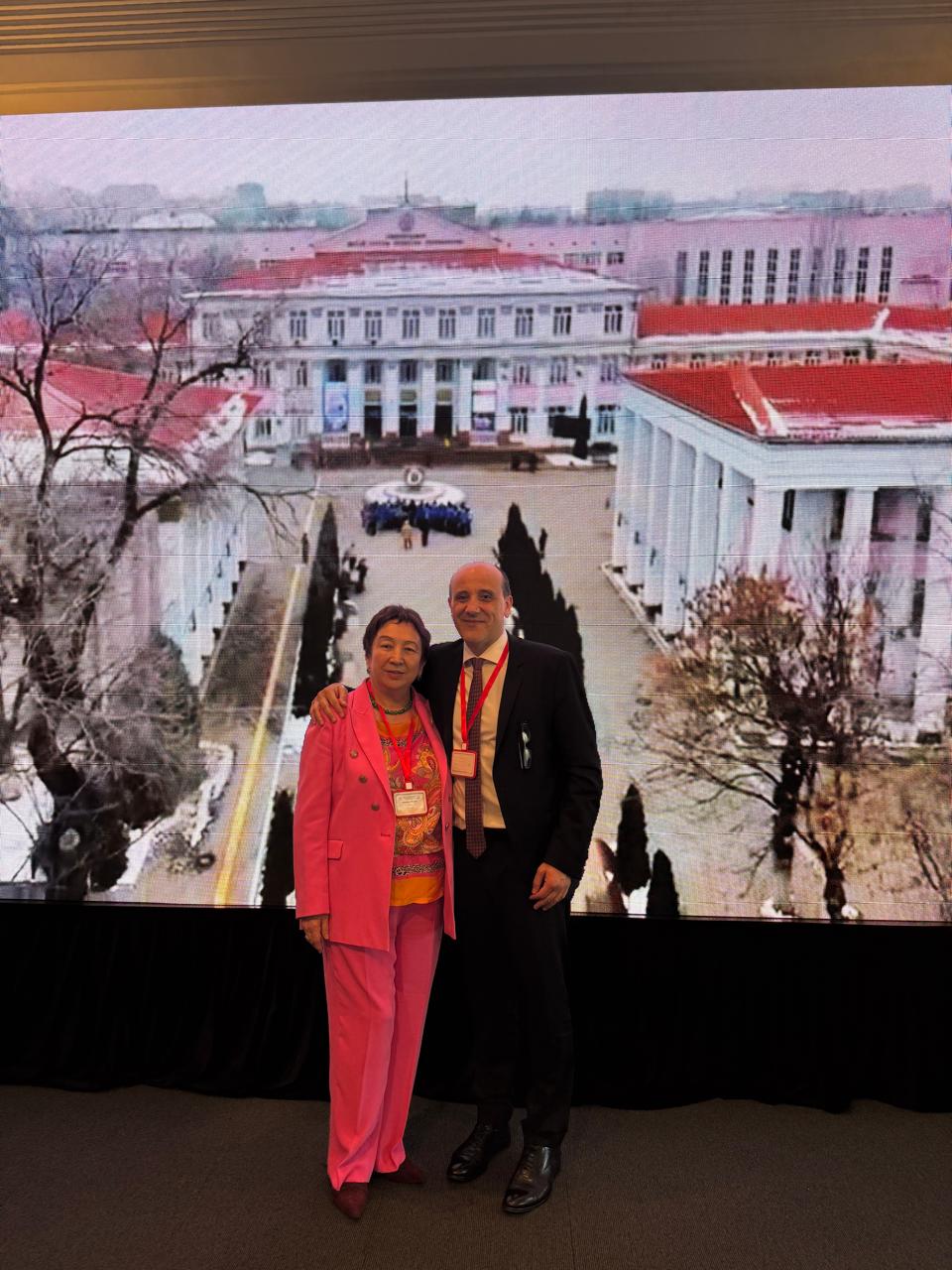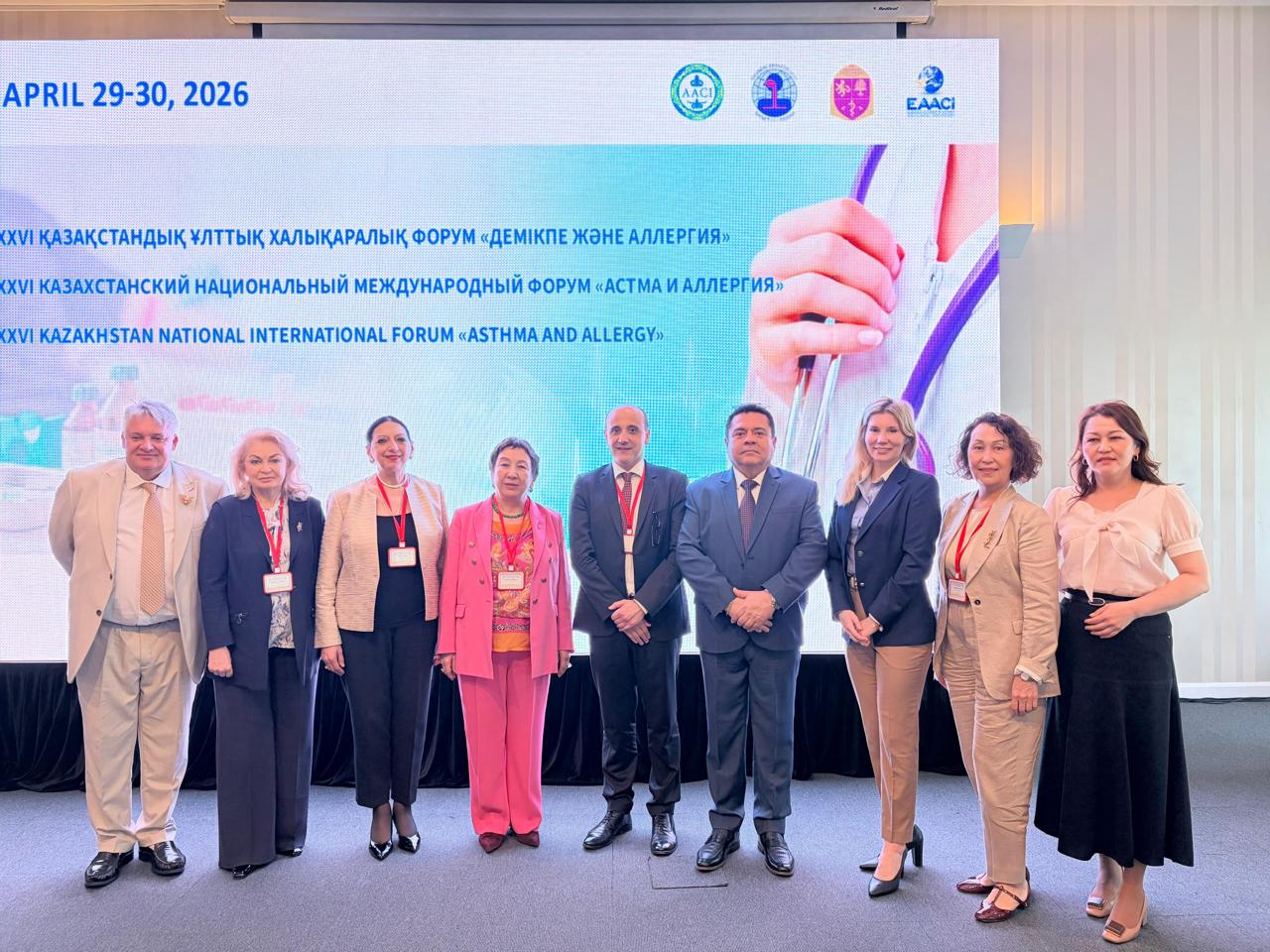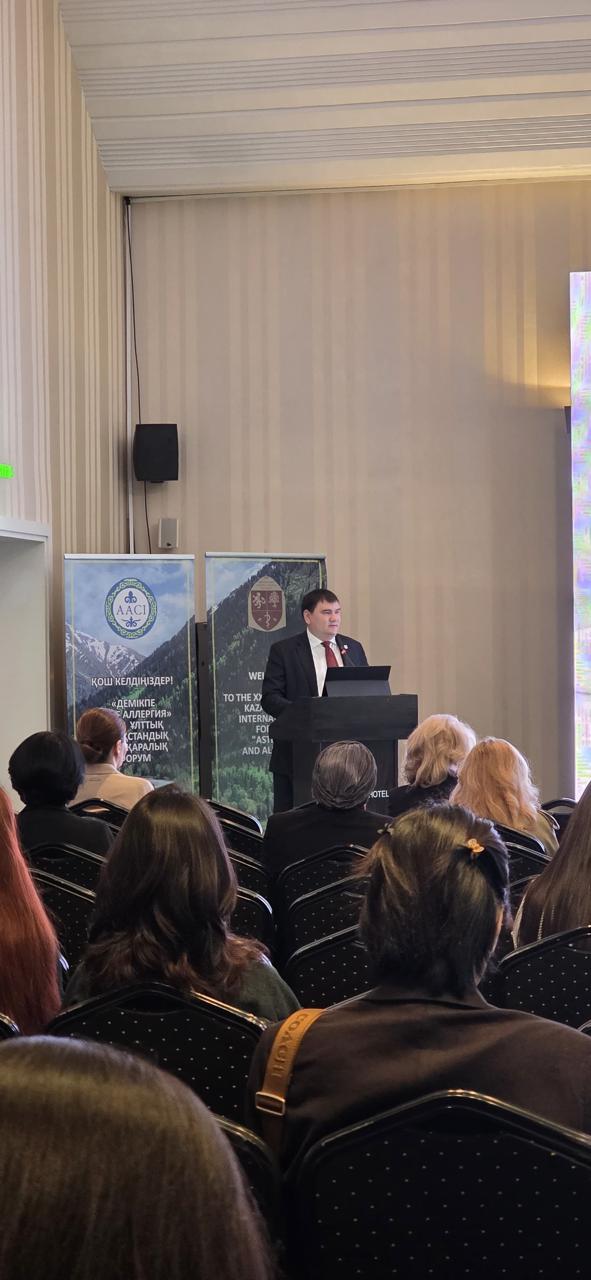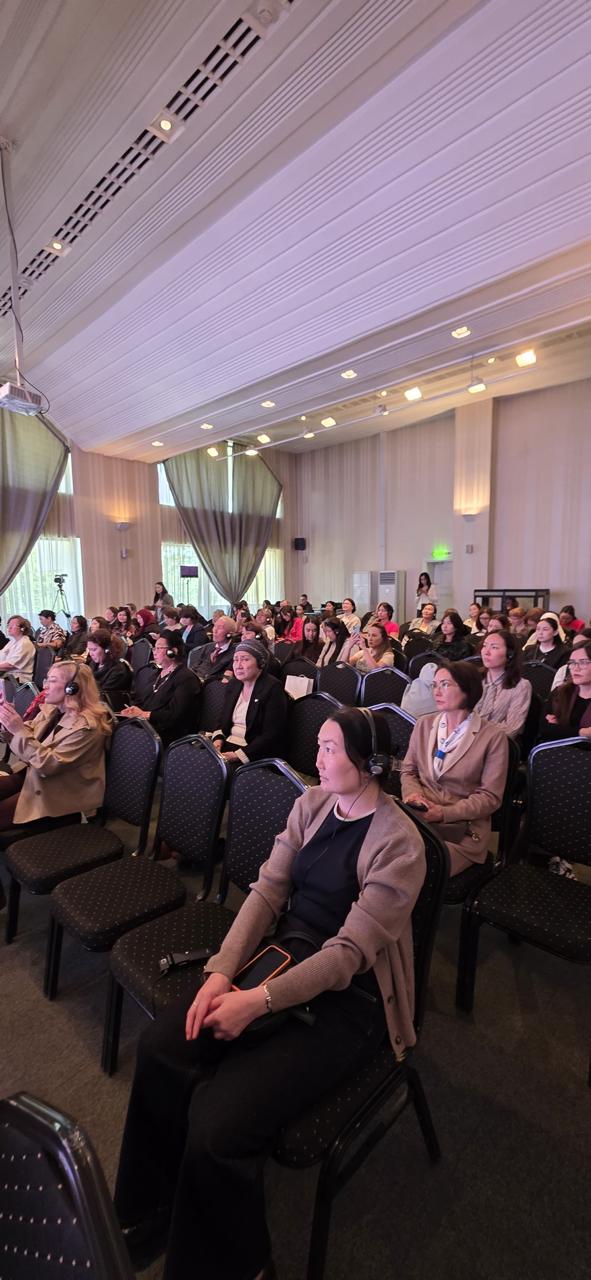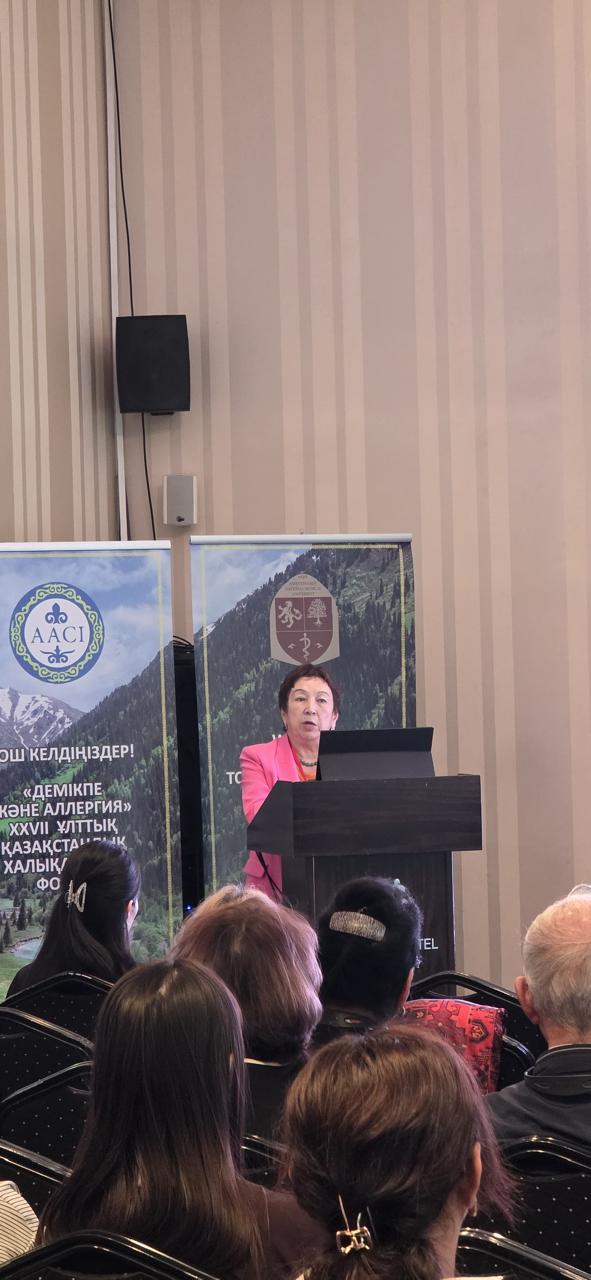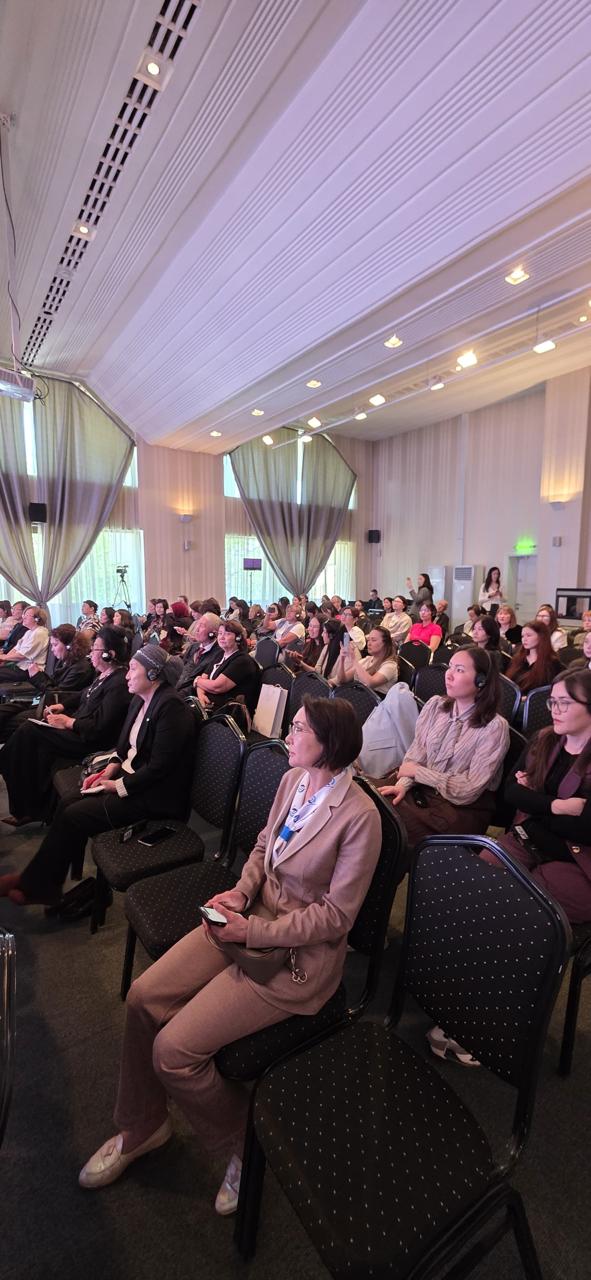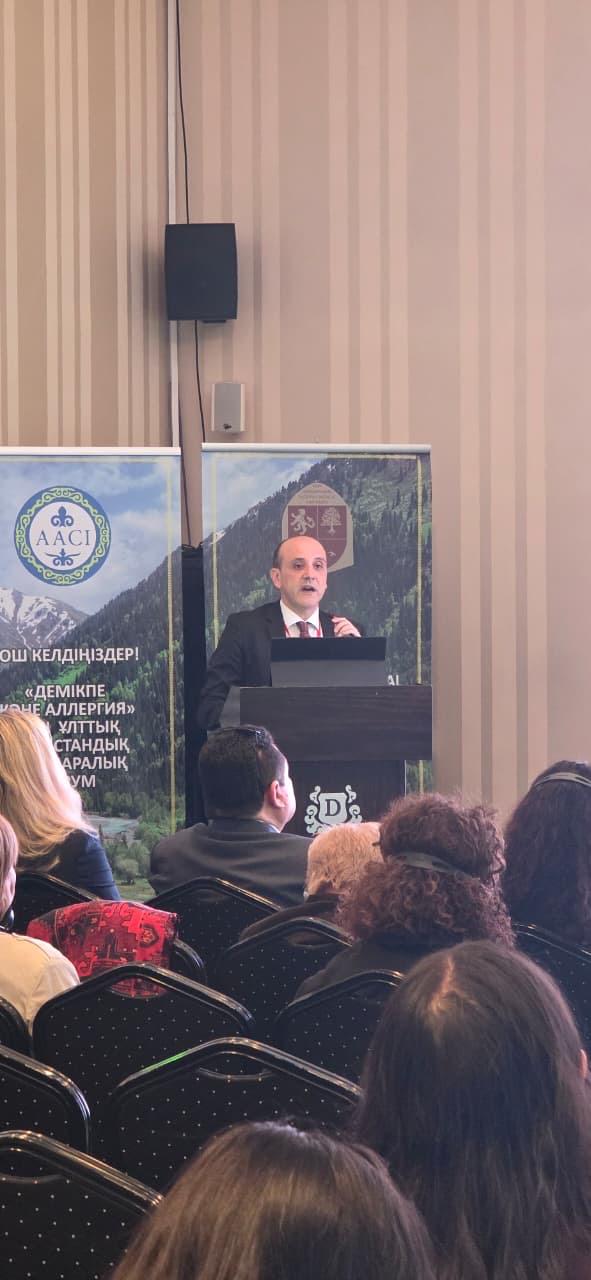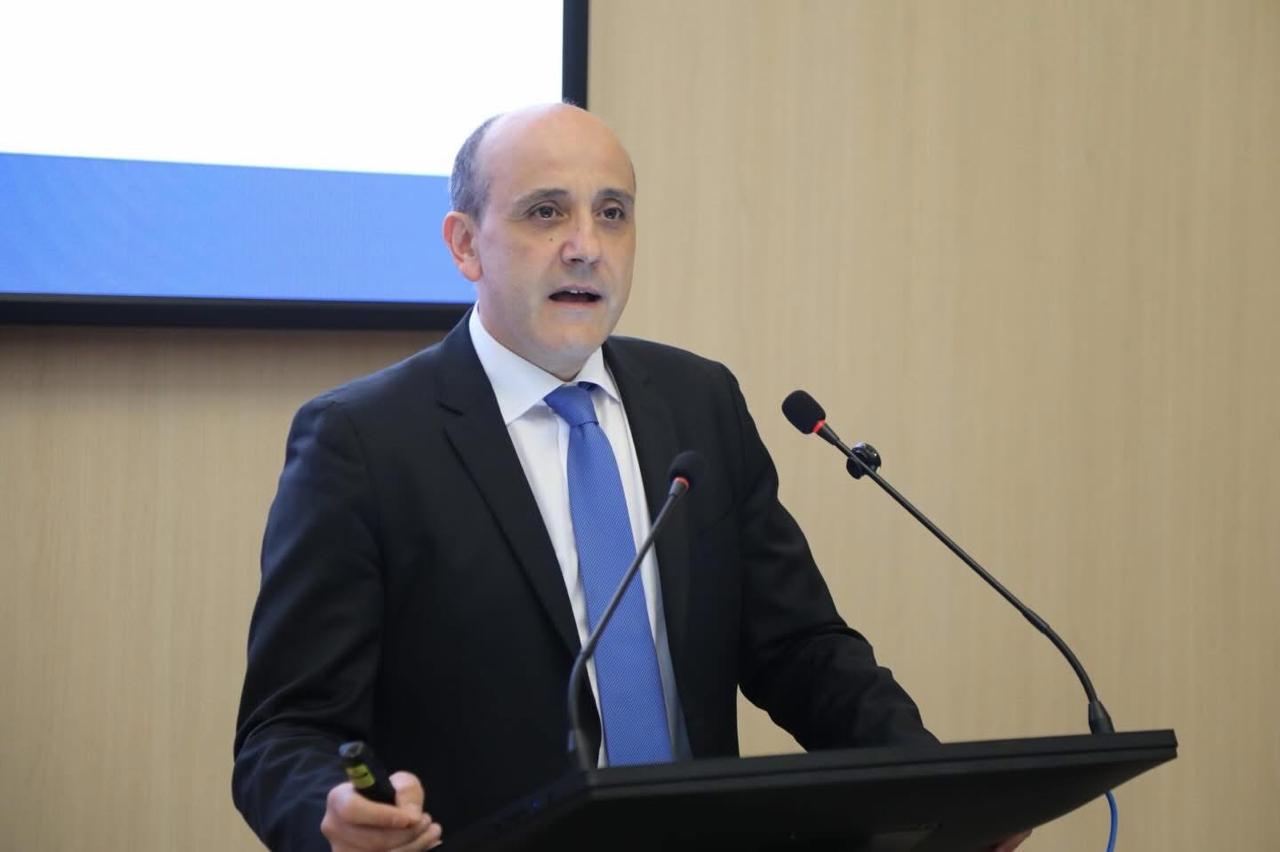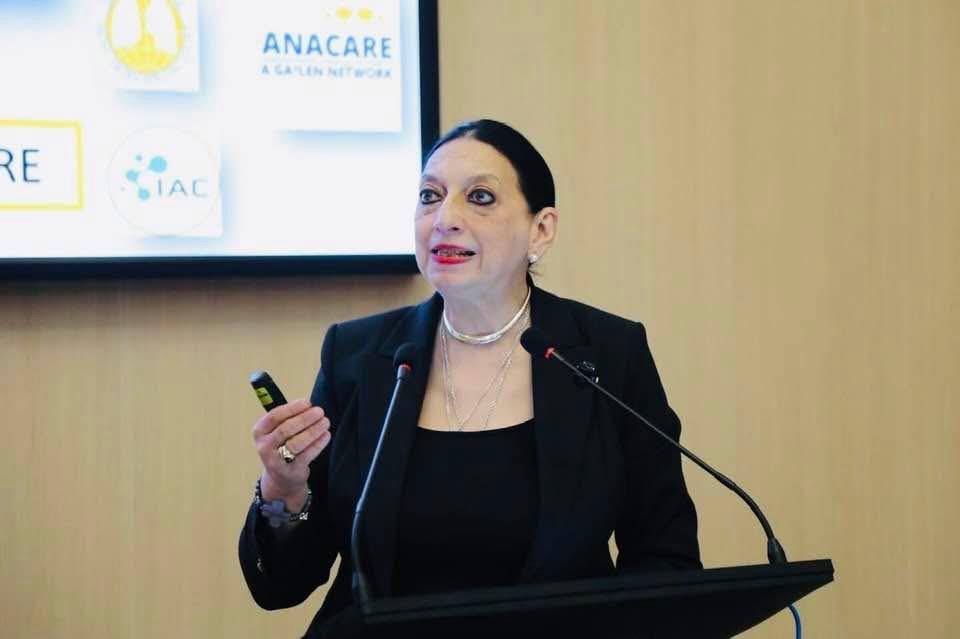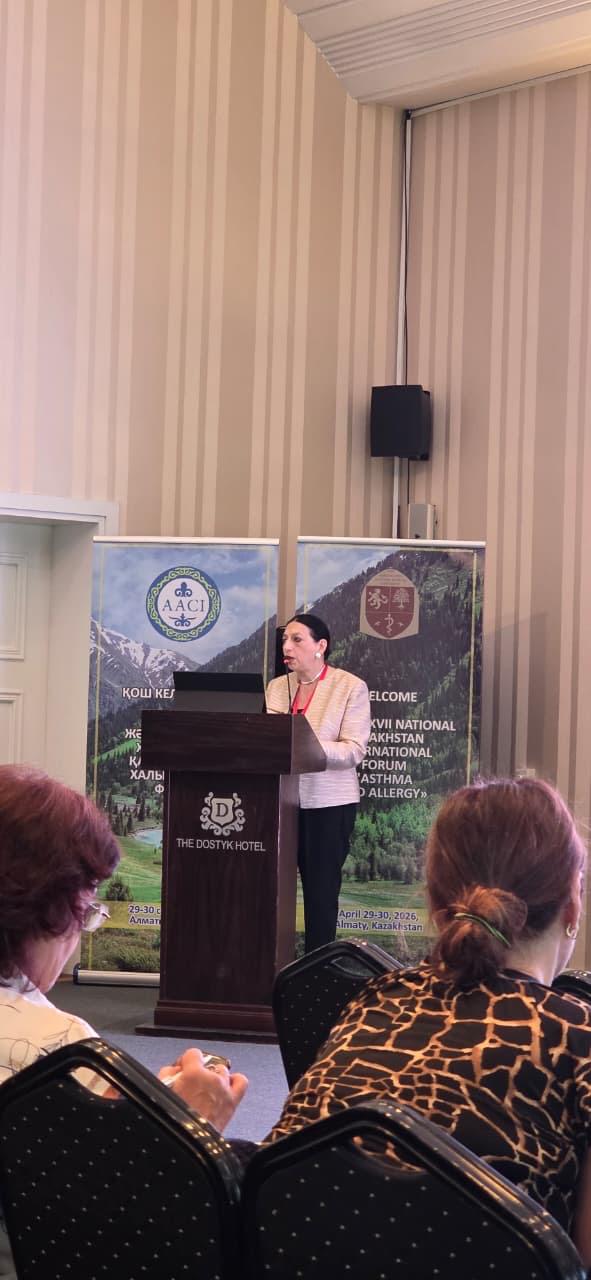
The XXVI National Kazakhstan International Forum “Asthma and Allergy” has concluded in Almaty. During the two-day event, held on April 29–30, leading allergists and immunologists from around the world discussed актуальные issues such as biological therapies, artificial intelligence, and the concept of a “world without allergies.”
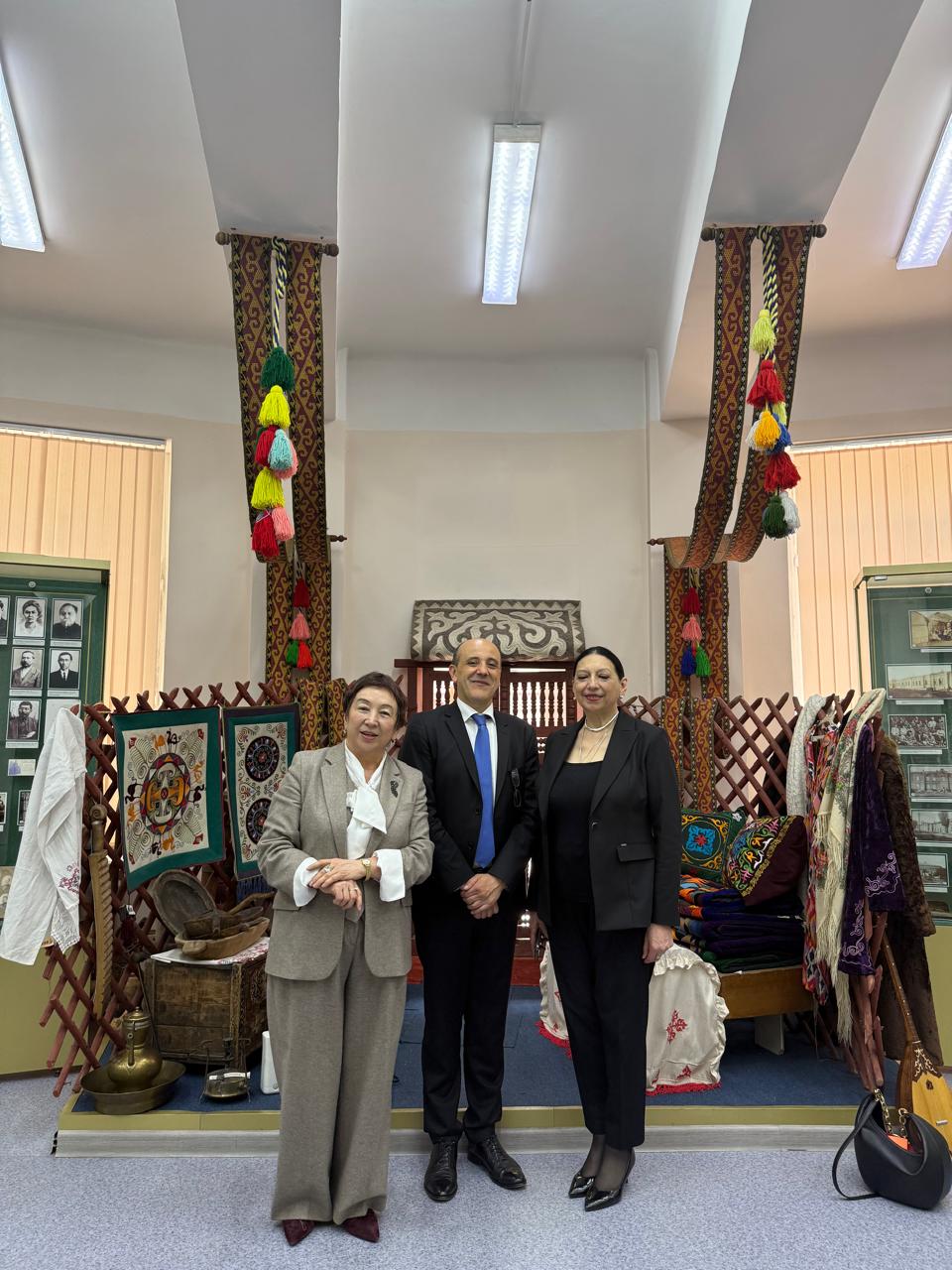
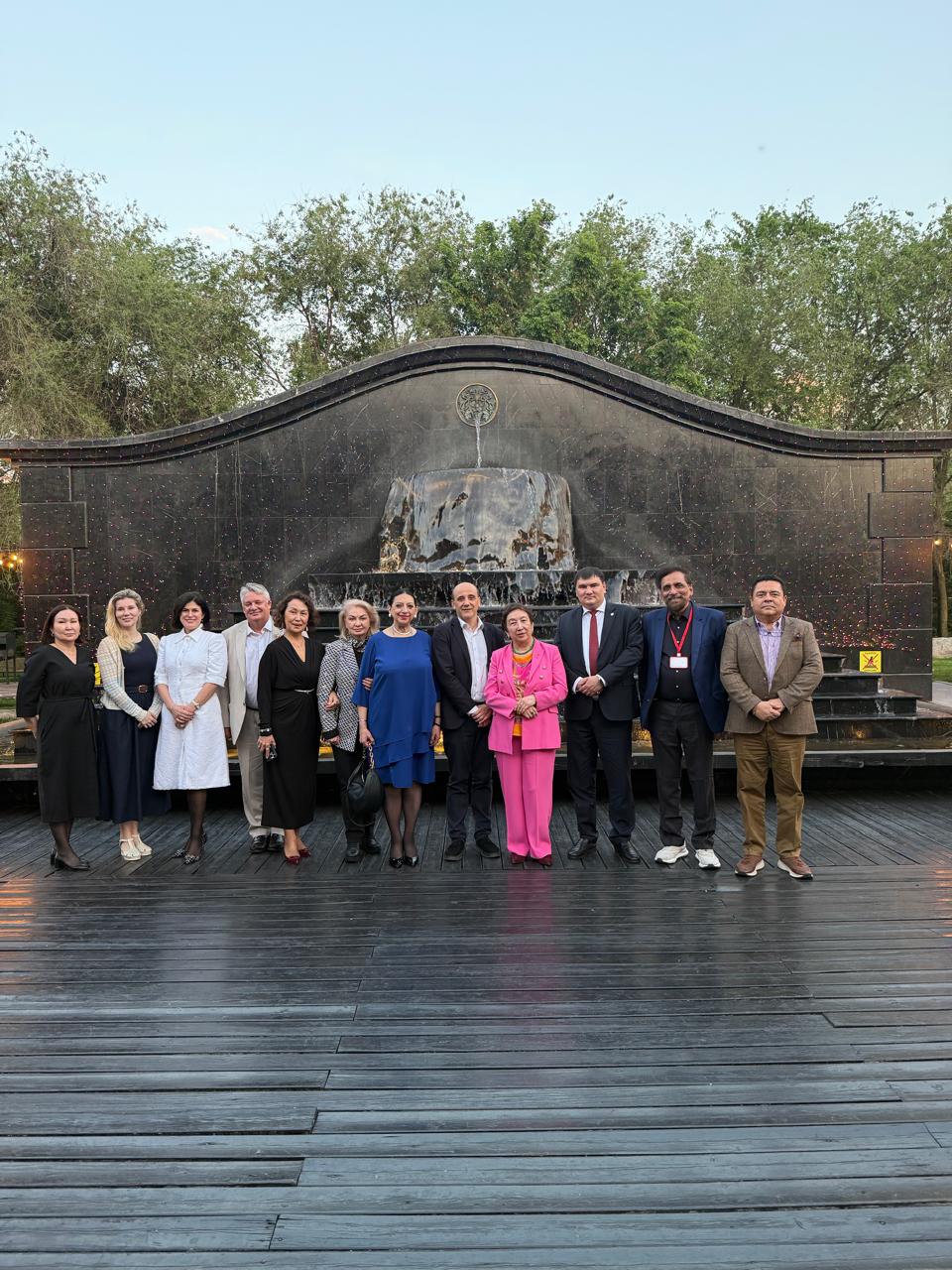
The forum was organized by the Department of Allergology and Clinical Immunology of KazNMU and the Kazakhstan Association of Allergists and Clinical Immunologists with the support of the European Academy of Allergy and Clinical Immunology (EAACI). Doctors from all regions of Kazakhstan participated in the event, along with international experts from Spain, the United Kingdom, France, Georgia, India, and Israel.
The forum is included in the plan of scientific and practical events of the Ministry of Healthcare of the Republic of Kazakhstan and is one of the most important professional platforms in the fields of allergology, clinical immunology, and respiratory medicine. Its relevance is driven by the steady global increase in allergic and immunological diseases.
According to the World Health Organization, bronchial asthma is one of the most common chronic non-communicable diseases and the most common chronic disease among children. In 2023, approximately 363 million people worldwide suffered from asthma, and the disease caused 442,000 deaths. Meanwhile, allergic rhinitis affects 10–30% of the population, and sensitivity to allergens reaches up to 40%.
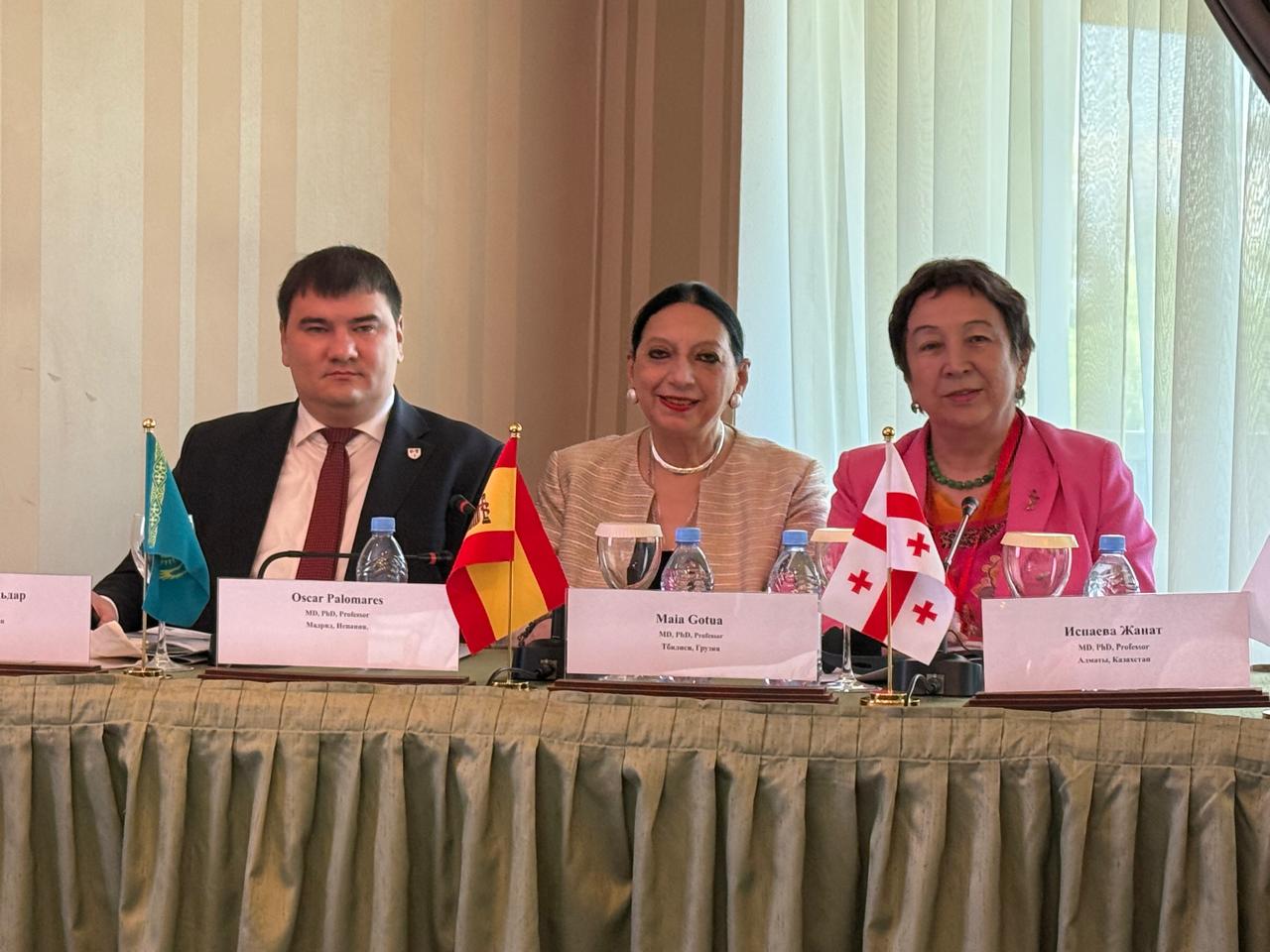
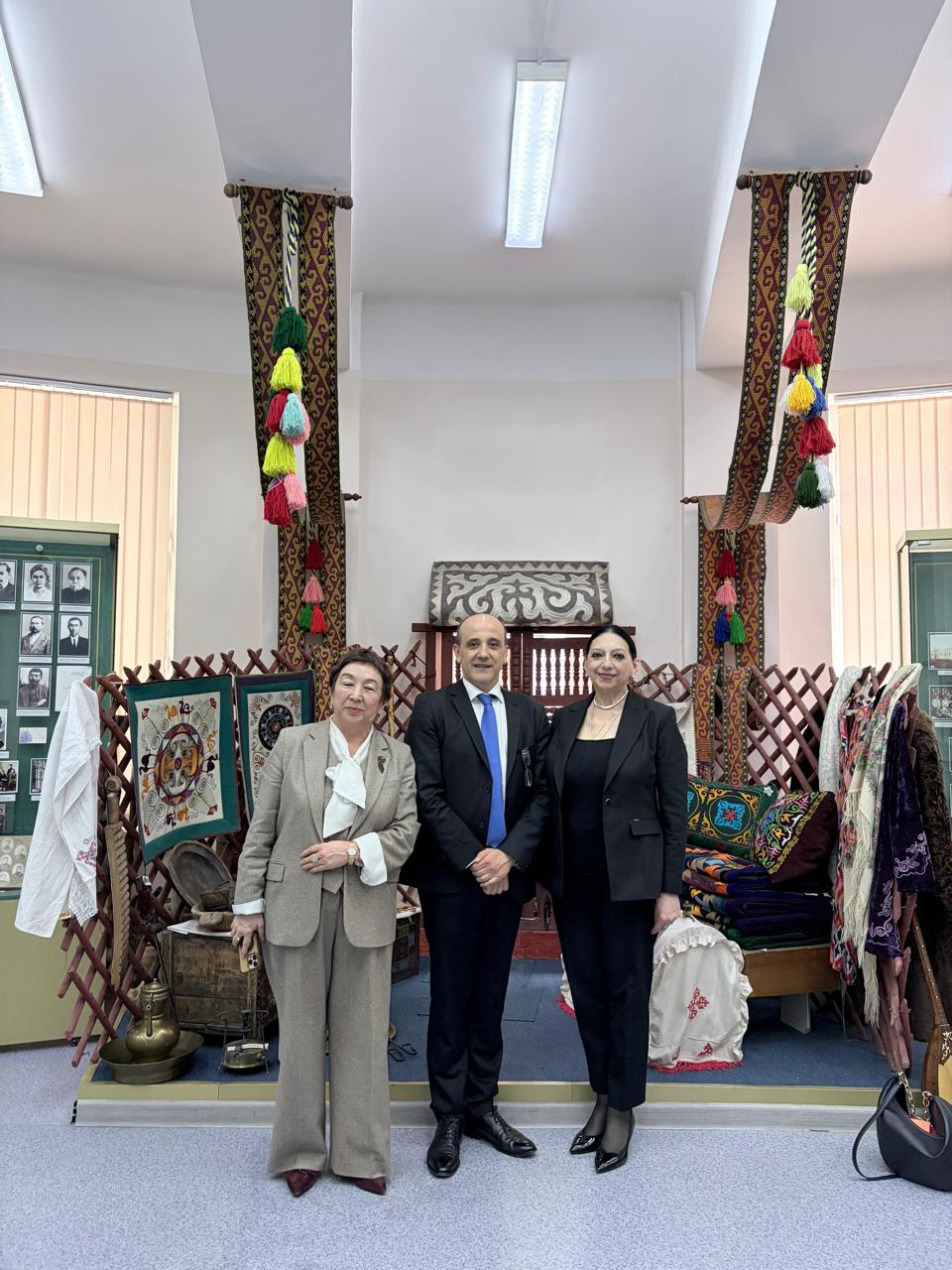
Leading international experts participated in the forum, including EAACI President Maria José Torres, EAACI Secretary General Mohamed Shamji, ARIA President Jean Bousquet, EAACI Vice President for Science Oscar Palomares, and Georgian professor Maia Gotua. Such a distinguished lineup reflects the high international status of the forum.
Over the course of two days, participants discussed key topics such as bronchial asthma, severe asthma and biological therapy, drug hypersensitivity, anaphylaxis, allergic rhinitis, atopic dermatitis, chronic urticaria, hereditary angioedema, food allergies, primary immunodeficiency, the microbiome, the epithelial barrier, as well as the impact of environmental factors and climate change. Special attention was given to molecular allergology, allergen-specific immunotherapy, precision medicine, and new diagnostic technologies.
On the first day, international experts presented the latest scientific data and clinical experience. On the second day, discussions continued on atopic dermatitis, type 2 inflammation, severe asthma, and immunodeficiency. A practical session included a master class on spirometry.
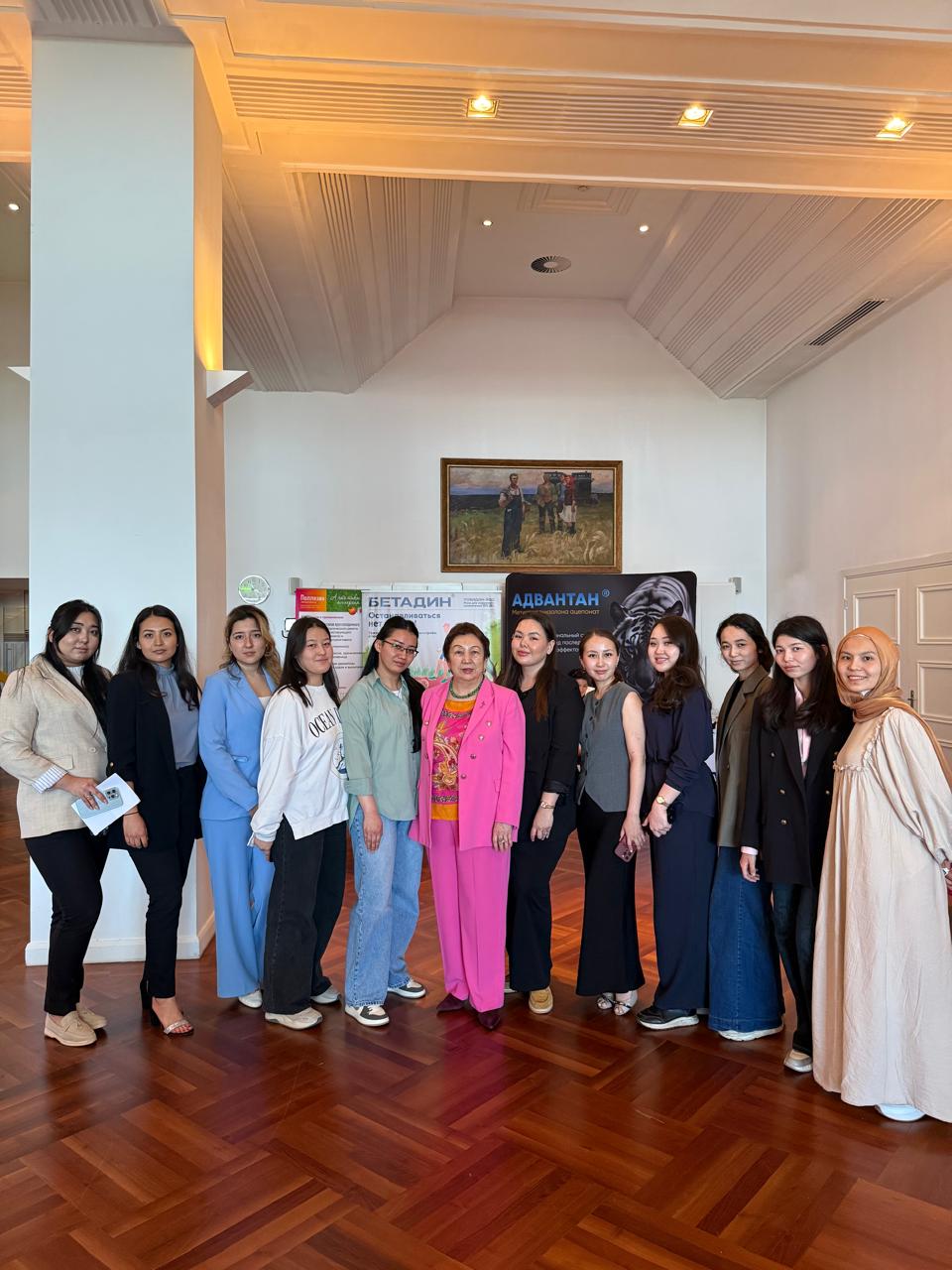
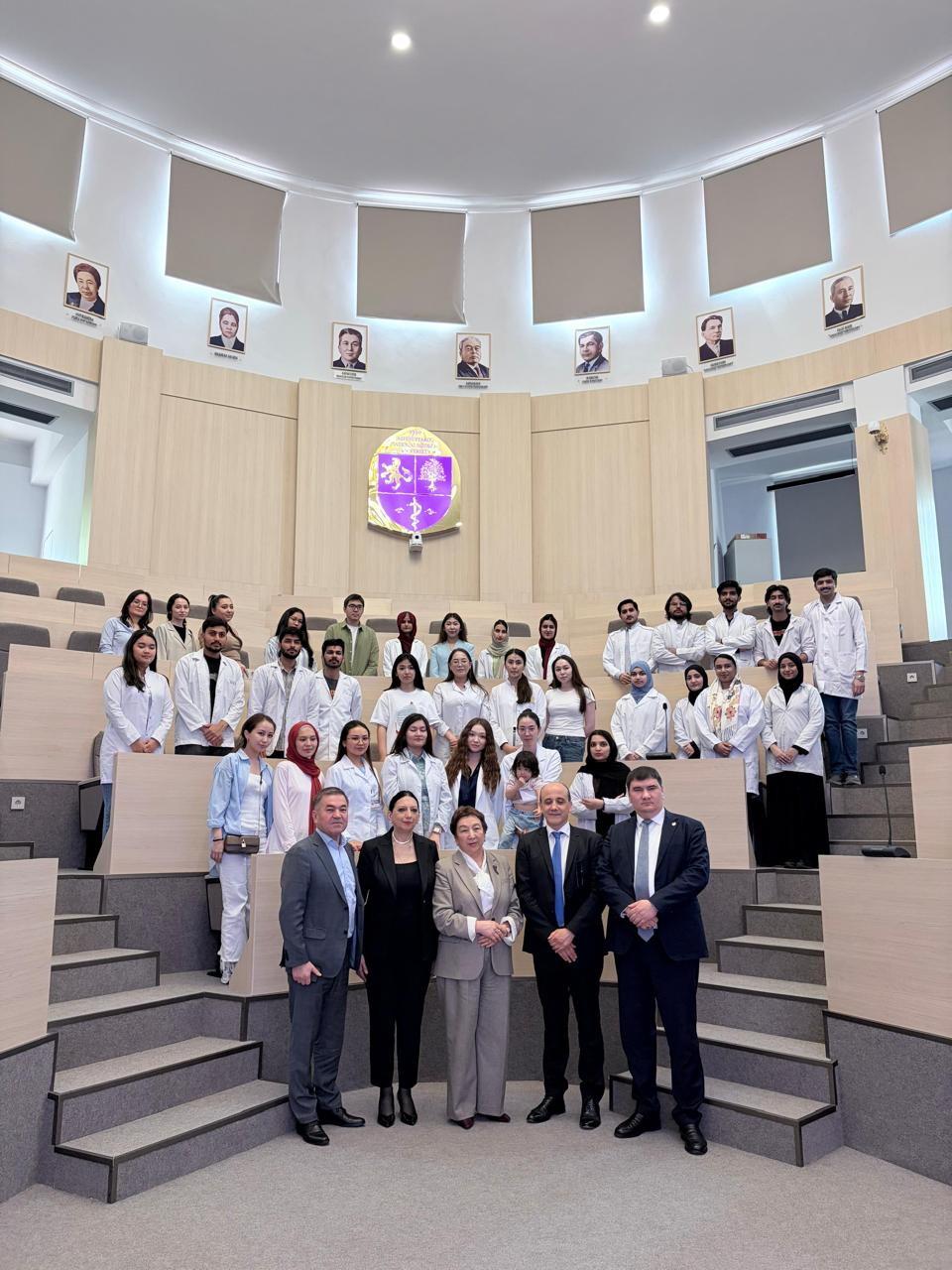
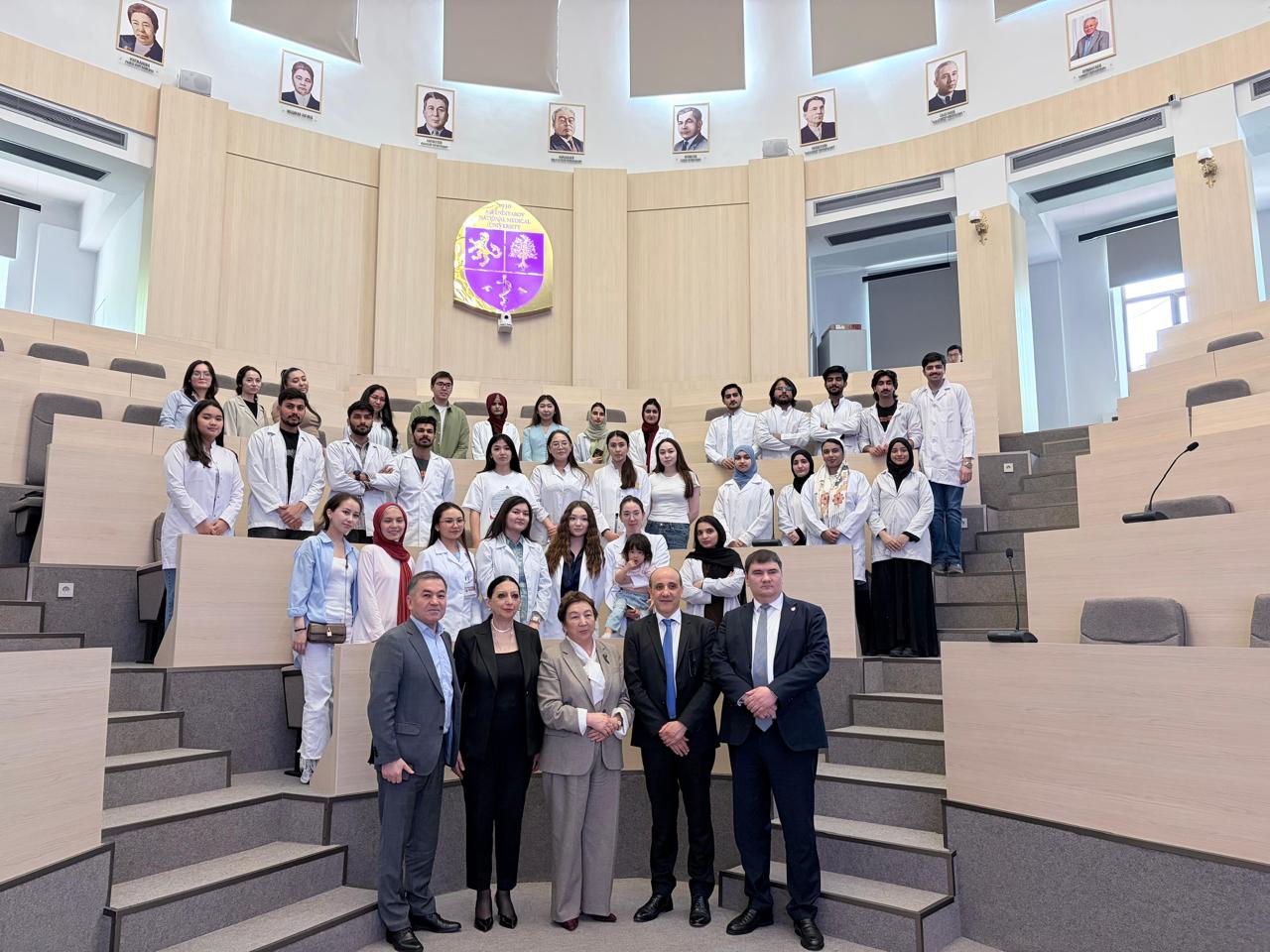
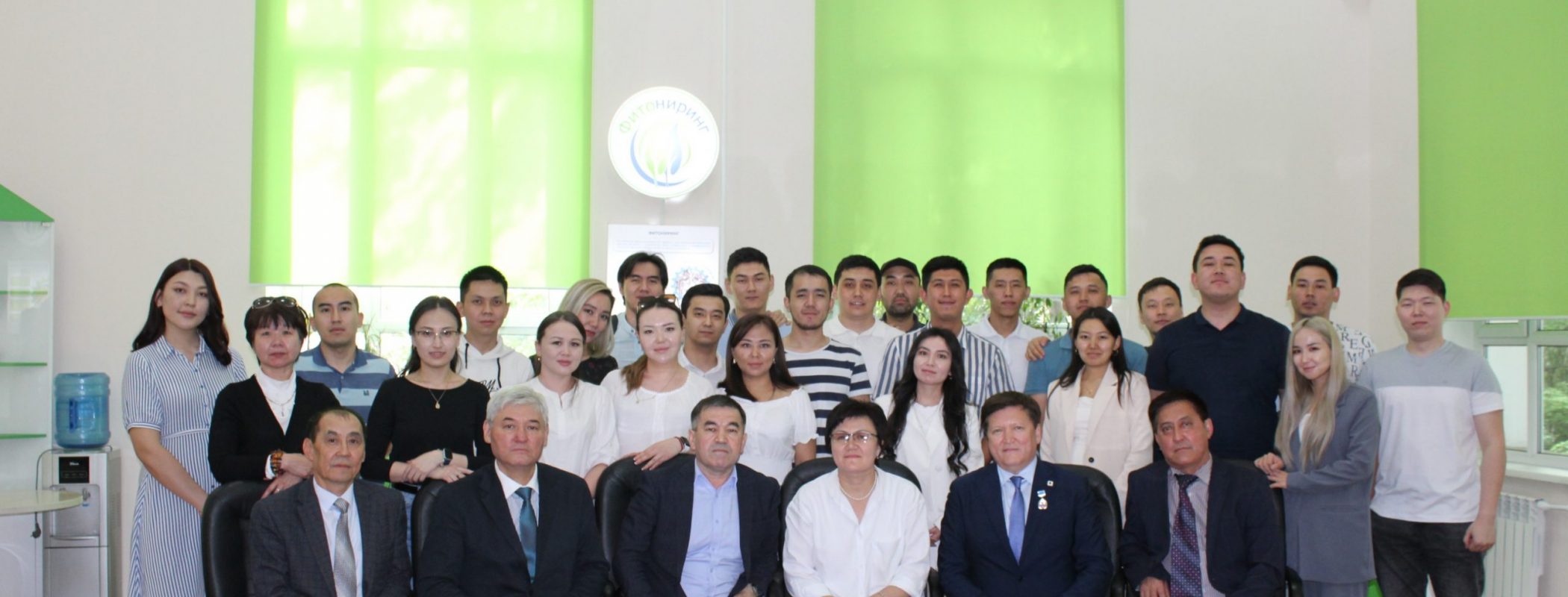
A particularly significant part of the forum was the meeting between international experts and students. The experts spoke about international scientific opportunities and answered questions from future specialists. Students showed great interest and actively participated in discussions.
Professor Oscar Palomares noted the high level of organization of the forum, while Professor Maia Gotua emphasized the importance of young people’s interest in science and opportunities to join international communities.
The forum also featured a section for young scientists. Residents presented reports on topics such as anaphylaxis and artificial intelligence, risk prediction based on genetic data, the use of neural networks to detect food allergens, and personalization of biological therapy for severe asthma.
The results of the forum were summarized by the Head of the Department of Allergology and Clinical Immunology of KazNMU, Professor Zhanat Ispaeva. According to her, the forum aims to advance science, support young professionals, and improve the quality of medical care for patients.
Following the forum, participants highlighted the high scientific level of the presentations, their practical significance, and the importance of international cooperation. Although the XXVI Forum “Asthma and Allergy” has concluded, its main outcome was the increased interest of KazNMU students in building careers in the global field of allergology.